With over twenty years in early years education, I have seen many changes to frameworks and inspection priorities. What has not changed is this: children learn best when they feel safe, understood and connected, and that always starts with relationships.
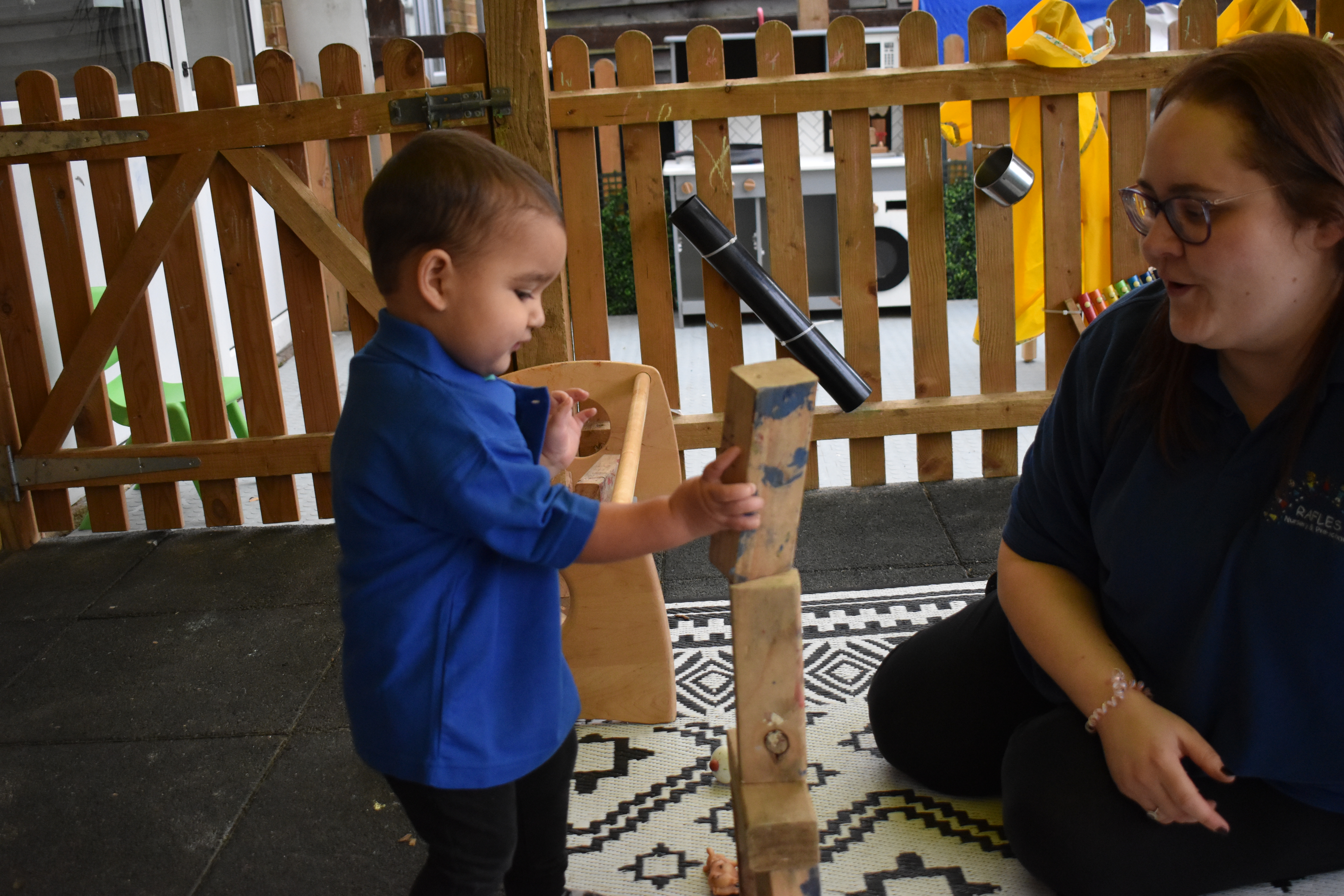
The current EYFS statutory framework focuses, rightfully, on foundational knowledge and so reflects what many experienced practitioners have long observed in practice - before children can engage deeply with learning, they need secure attachments, emotional safety and the confidence to interact with others. Social skills are not something to hurry or measure too narrowly; they develop through time, trust and thoughtful adult support.
For me, this has never felt like a new idea, but rather a clear articulation of what effective early years practice looks like when it is grounded in a strong understanding of child development.
Supporting social skills through everyday practice
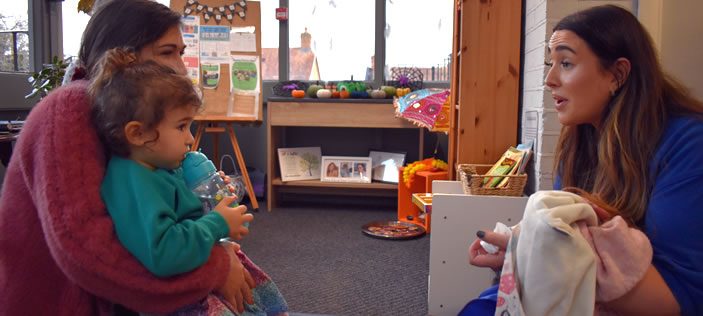
Some of the richest social learning happens in the everyday moments we might easily overlook. I have often noticed how children begin to make sense of friendships, disagreements and big feelings through their play and daily routines, especially when a familiar adult is nearby. It might be sitting with two children who both want the same toy and quietly saying, “Let’s work this out together,” or giving them time to try before offering a suggestion. Over time, I have learnt that my role is less about solving things for children and more about creating a calm, supportive space knowing when to offer a word or a presence, and when to step back and let them find their own way.
Predictable routines help children feel settled and confident, particularly for those who may find social situations challenging. Simple things like consistent transitions, clear expectations and calm responses make a real difference to how children interact with others.
Language can be such a gentle but powerful support for children. In everyday moments, when we model calm, kind words and name feelings as they naturally come up, we are helping children make sense of what is happening for them. A simple comment like, “I can see you’re feeling frustrated because you want a turn,” can be reassuring and often helps a child find their own words next time. These small, thoughtful interactions quietly build communication skills and support children to manage their emotions, which sits at the heart of what the EYFS recognises as secure early development.
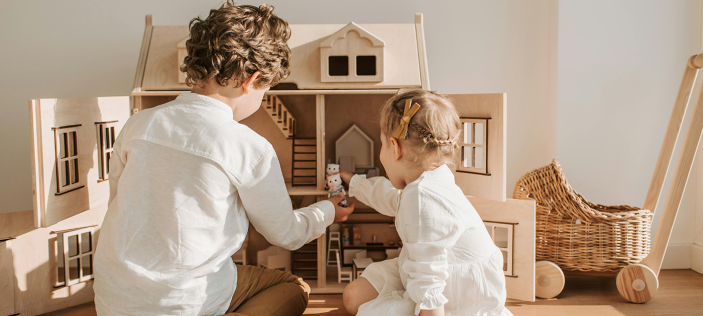
We know that play provides the richest opportunities for social learning. When adults are thoughtfully involved, children can practise turn taking, co-operation and problem solving in ways that feel authentic and connected to their own experiences.
Inclusive support, strong relationships and a shared understanding
Every child arrives at a setting with their own experiences, strengths and needs, for me, supporting social development has always meant responding with sensitivity as well as flexibility. Over the years, I have seen that some children benefit from a little more structure or time in a small group, while others need the space to watch, listen and feel secure before they are ready to join in. What matters most is that we take the time to understand why a child might be finding something difficult, responding with compassion, clarity and purpose rather than assumption.
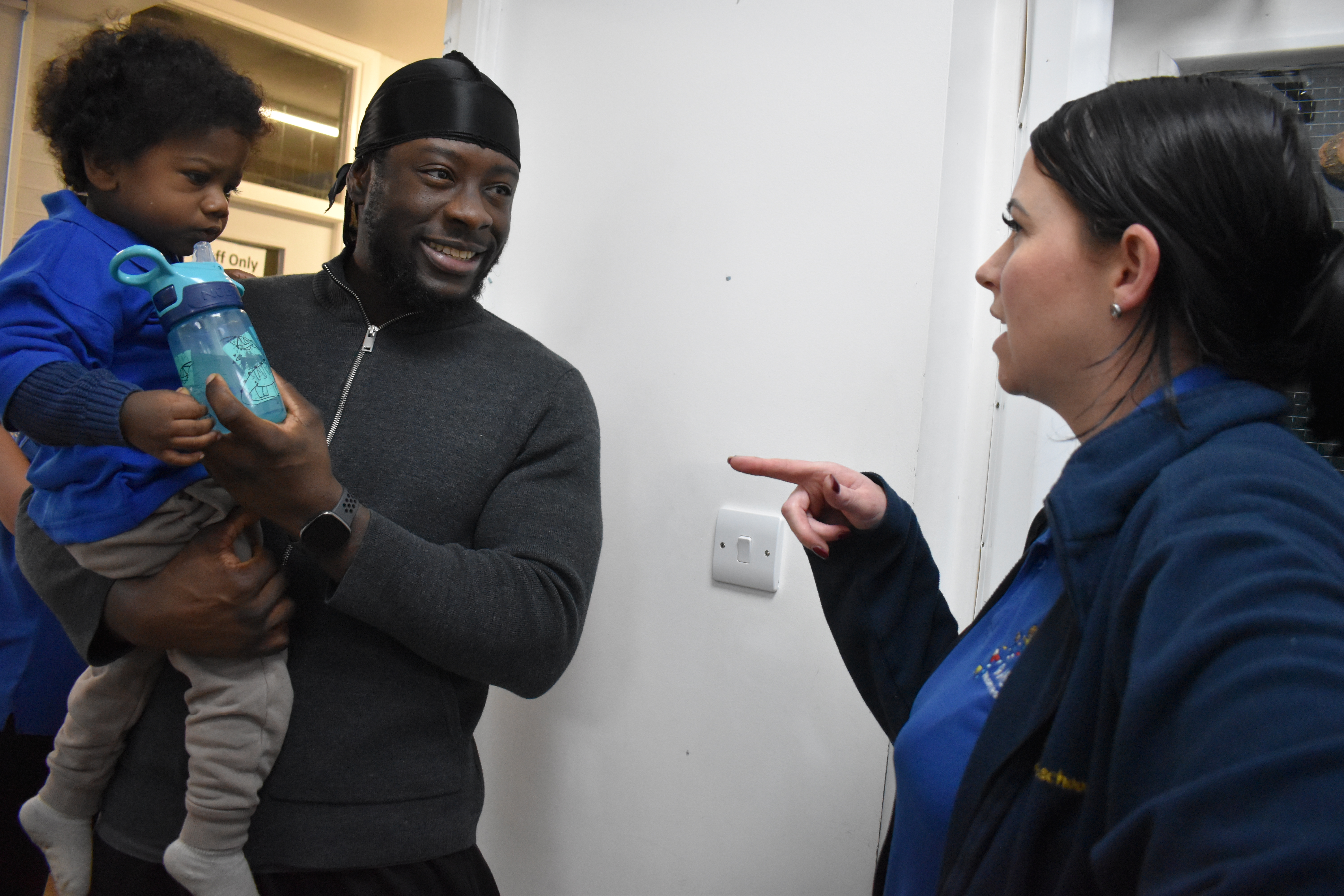
When I think back on my experience, it is often the quiet moments with families that stand out most. I can still picture those home time conversations at the classroom door, with coats half on, when a parent would pause to mention that turn taking had been hard at home that week, or share a simple phrase they were using when emotions started to spill over. Those small, unplanned exchanges stayed with me. They helped us make sense of the child together and meant that what we were offering in the setting felt joined up and familiar. When children recognise the same understanding and language around them, there is a noticeable shift. They may become calmer, more confident, and quietly reassured that the adults in their world are working together.
Even when articulating our practice with external colleagues or visitors, what really comes through in the strongest settings is not perfection, but thoughtful, well understood practice. Being able to talk authentically and in depth about children, why a certain routine is in place, why a child benefits from a small group or how a moment in play is supporting their emotional development, shows depth of understanding and professional confidence. It is about explaining the thinking behind everyday decisions, not presenting something polished or scripted.
Drawing on my experience as both an early year’s teacher and in my advisory role, I remain deeply committed to supporting children’s social development because I see, daily, how it shapes their sense of self and belonging. When a child feels listened to, understood and valued, they are far more willing to explore, take risks in their learning and connect with others. Seeing a child who once stood back gradually join a game, or confidently say, “I need help please,” is a reminder that this work matters. For me, nurturing those moments is at the very heart of early years education.
Natasha Dasilva