When we think about high-quality Early Years provision, our minds often jump straight to the children: their learning, development, and wellbeing. But just as important is the support, guidance, and reflection given to the adults who work with them. That’s where supervisions come in.
Supervision is more than just a casual chat with staff, and it should not be confused with appraisals, they are entirely separate processes. Supervision is a vital aspect of professional practice in the Early Years and a statutory requirement under the EYFS Statutory Framework. When carried out effectively, it can transform practice, boost staff confidence, and improve outcomes for children.
What are supervisions?
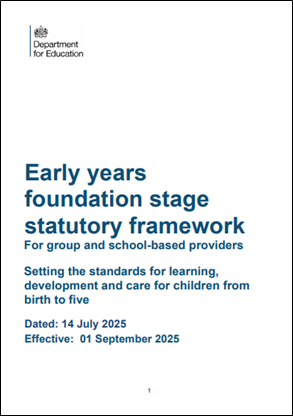
The EYFS statutory framework states that:
3.34 Providers must put appropriate arrangements in place for the supervision of staff who have contact with children and families. Effective supervision provides support, coaching, and training for the practitioner and promotes the interests of children. Supervision should foster a culture of mutual support, teamwork, and continuous improvement, which encourages the confidential discussion of sensitive issues.
3.35 Supervision should provide opportunities for staff to:
- Discuss any issues – particularly concerning children’s development or wellbeing, including child protection concerns.
- Identify solutions to address issues as they arise.
- Receive coaching to improve their personal effectiveness.
Early years foundation stage statutory framework - For group and school-based providers - September 2025
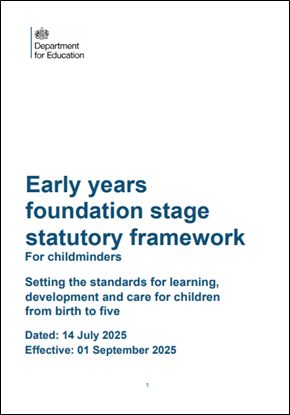
3.40 Childminders must put appropriate arrangements in place for the supervision of
assistants who have contact with children, families, and carers. Effective supervision
provides support, coaching, and training for the assistant and promotes the best
interests of children. Supervision should foster a culture of mutual support,
teamwork, and continuous improvement, which encourages the confidential
discussion of sensitive issues.
3.41 Supervision should provide opportunities for staff to:
- Discuss any issues – particularly concerning children’s development or wellbeing, including child protection concerns.
- Identify solutions to address issues as they arise.
- Receive coaching to improve their personal effectiveness.
Early years foundation stage statutory framework - For childminders - September 2025
This means every member of staff working directly with children should take part in regular supervisions.
A supervision is a planned, recorded, and supportive meeting between a practitioner and their manager or senior leader and is an opportunity to:
- reflect on practice and professional development
- discuss the needs, interests, and progress of key children
- identify any concerns about children’s safety or wellbeing
- support staff wellbeing and workload
- agree on next steps for practice and development

What supervisions are not
It’s important to be clear about what supervisions are not. They are not the same as appraisals. Appraisals are usually annual, formal reviews of performance against objectives. Whereas supervisions are more regular, ongoing professional conversations, typically focused on reflection, professional development safeguarding, and support.
While both processes are valuable, supervisions are not about judging performance, they are about supporting staff in their day-to-day practice and ensuring the safety and wellbeing of children.
Why are supervisions important?
Supervisions are essential for a number of reasons:
1. Safeguarding Children
The EYFS highlights that supervision should foster a culture of “mutual support, teamwork and continuous improvement” while also ensuring “confidential discussion of sensitive issues.” This includes safeguarding concerns*. Supervisions create a safe, structured space to share worries about children, families, or practice that might not be raised in day-to-day conversations.
*If you have a safeguarding concern about a child or adult, you must follow your school’s or setting’s policy and procedures and must not wait for your supervision meeting to share this concern but share it with the DSL/ DSO immediately.
2. Professional Development
For staff, supervisions are a chance to talk openly about strengths, areas for growth, and aspirations. They can be used to identify training needs, support career progression, and help practitioners reflect on how they put theory into practice.
3. Staff Wellbeing
Working in the Early Years is rewarding but demanding. Supervisions give leaders the opportunity to check-in on staff wellbeing, workload, and stress levels. This proactive approach helps to ensure team members are supported and feel listened to and valued.

4. Consistency and Quality of Practice
Regular supervisions support staff to work towards shared goals, understand and implement key policies, and reflect on how to meet children’s individual needs. This consistency is key to delivering high-quality provision.
What should supervisions include?
While the content of a supervision will vary depending on staff roles, some common elements could include:
- discussion of key children: their development, interests, challenges, and next steps
- reflection on practice: what’s going well, what could be improved, and how staff are supporting learning through play
- safeguarding: reviewing any issues and exploring understanding of safeguarding policies
- professional development: identifying training needs or sharing feedback from recent CPD
- wellbeing check-in: offering space for staff to share how they’re feeling about their role and workload
- goal setting: agreeing on clear, achievable actions for the practitioner to take forward.
Making supervisions effective
Supervisions can sometimes feel like a tick-box exercise if they’re not thoughtfully planned.
To make them more effective:
- schedule them regularly: build them into the calendar so staff know when to expect them
- create a safe, confidential space: staff need to feel they can speak honestly without judgment or someone walking in!
- keep records: document key discussion points and agreed actions, ensuring both parties have access
- follow up: check progress against actions in the next supervision
- tailor to the individual: one size doesn’t fit all so consider the staff member’s role, experience, and confidence.

Final thoughts
Supervisions are not just about compliance with the EYFS statutory framework, they are about creating a culture of reflection, growth, and support. When done well, they build stronger teams, empower practitioners, and, most importantly, improve outcomes for children.
As leaders, investing time in high-quality supervisions is one of the most powerful things you can do to support staff and ensure the very best provision for the children in our care.